HimGra™ Yarn

Traceable yarn systems for textile development.

HimGra™ yarn combines a natural grass-based cellulosic fibre with established companion fibres for conventional short-staple spinning, weaving, and knitting applications.

Primary fibreHimGra™ natural cellulosic fibre

OriginHimalayan region, Uttarakhand, India

ProcessingZero-chemical, waterless fibre extraction

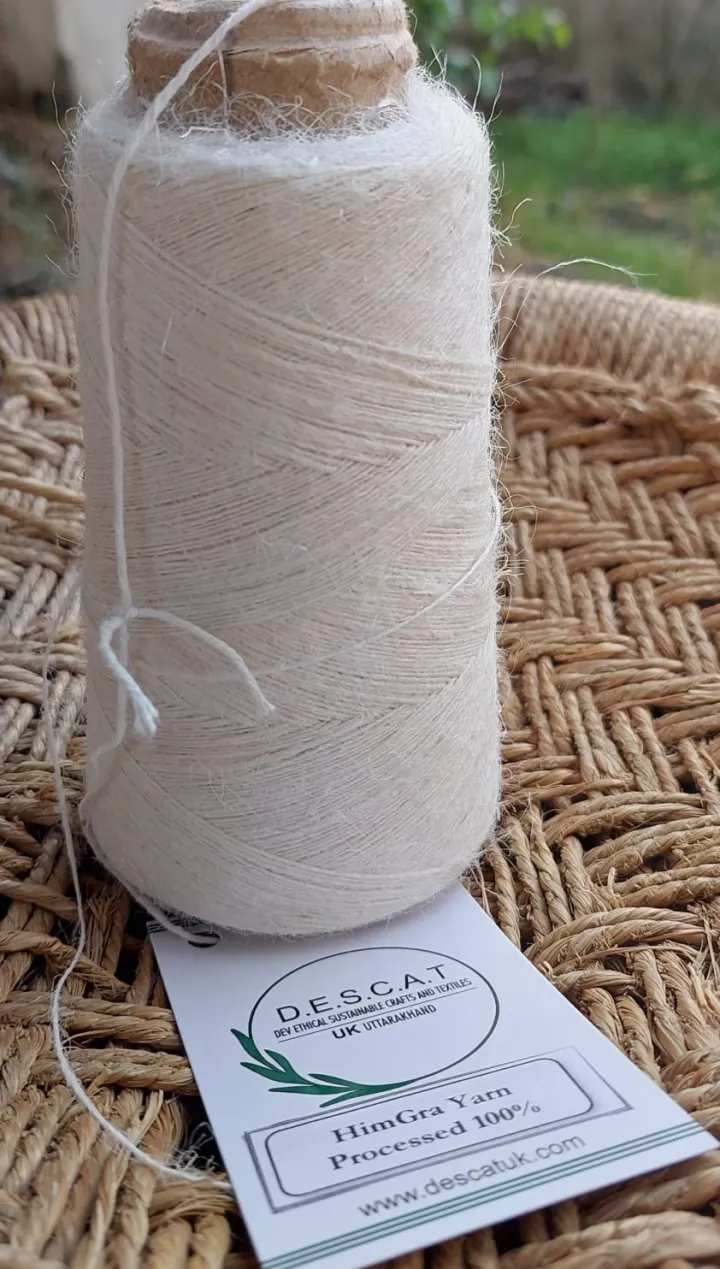
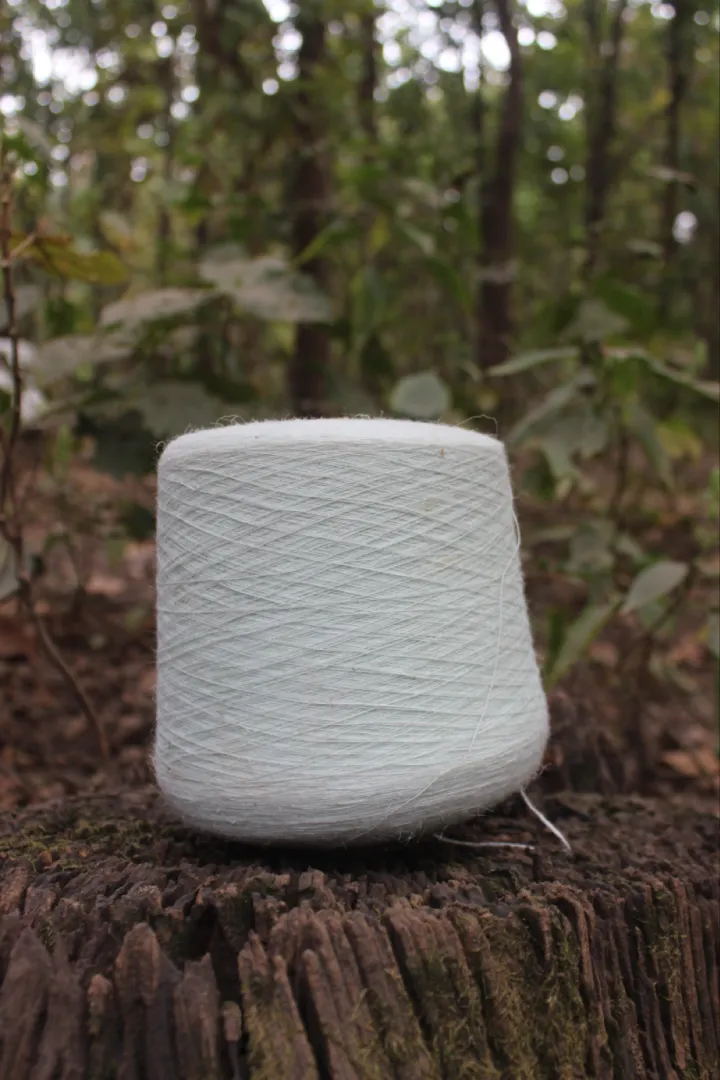
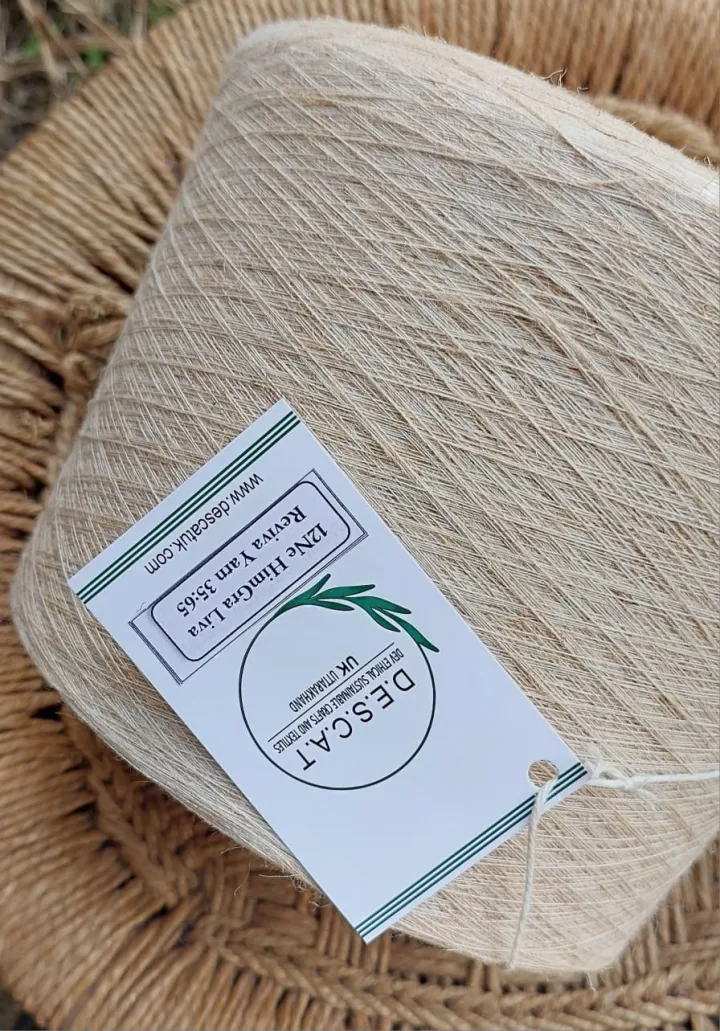
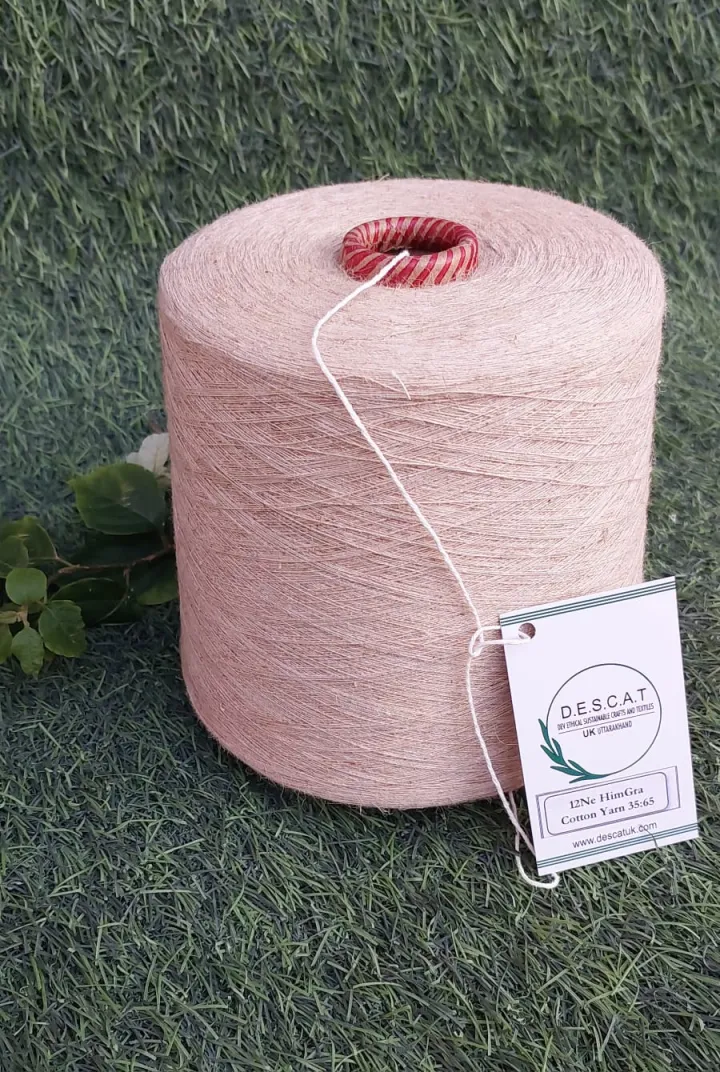
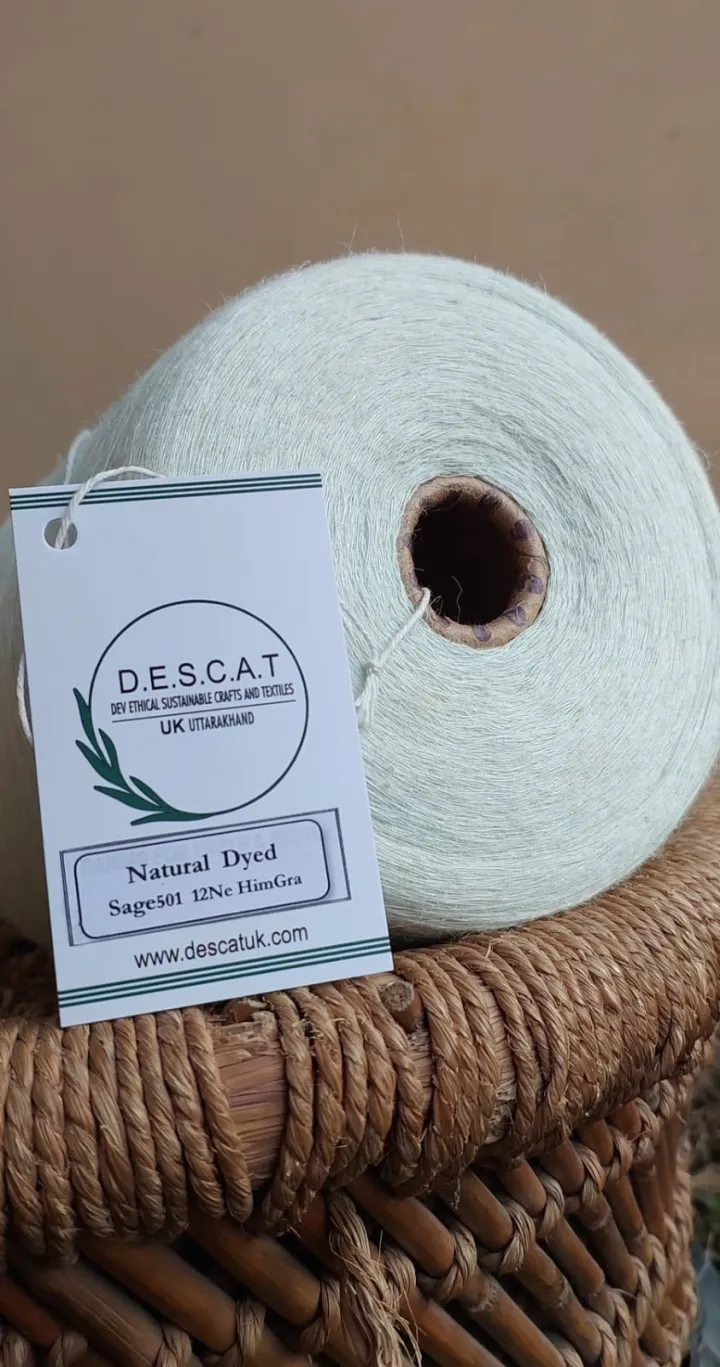
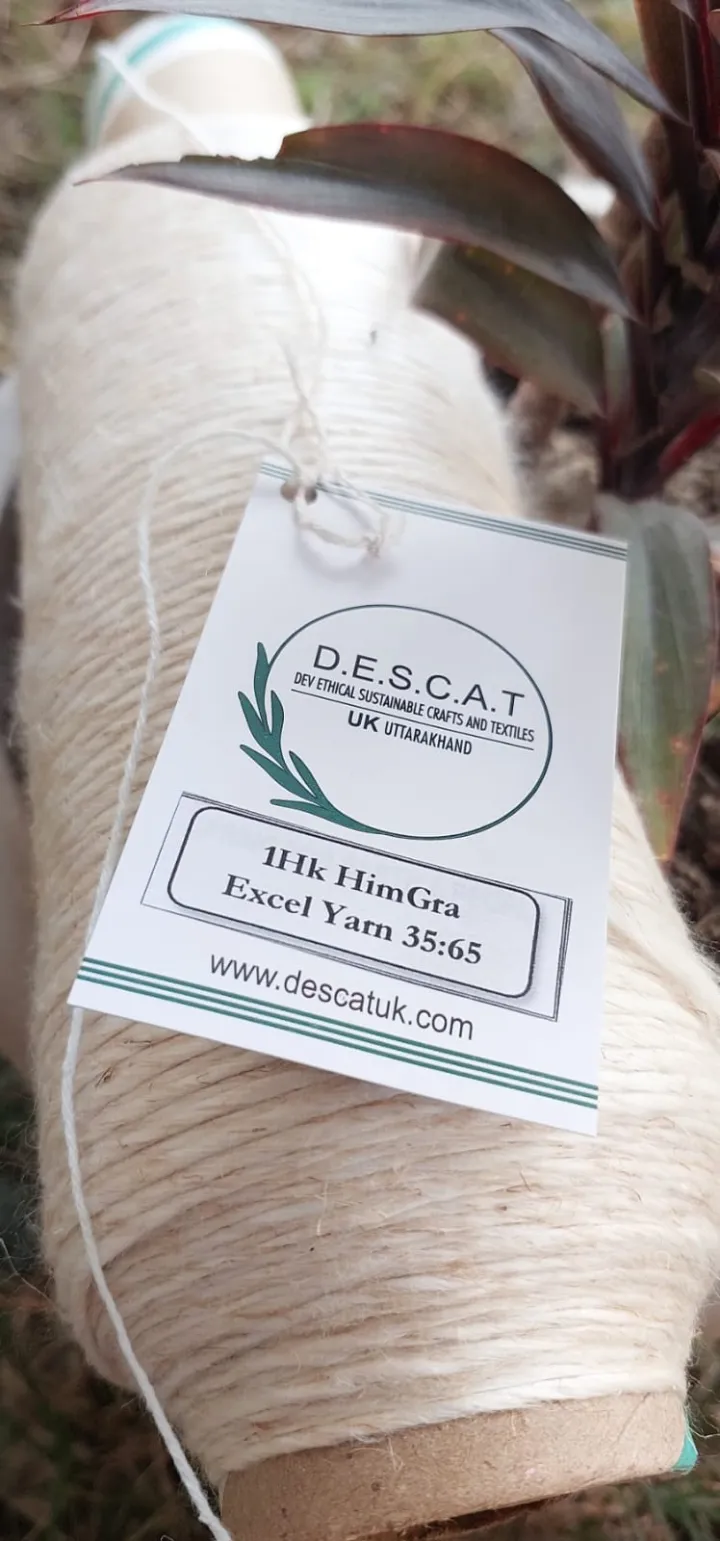
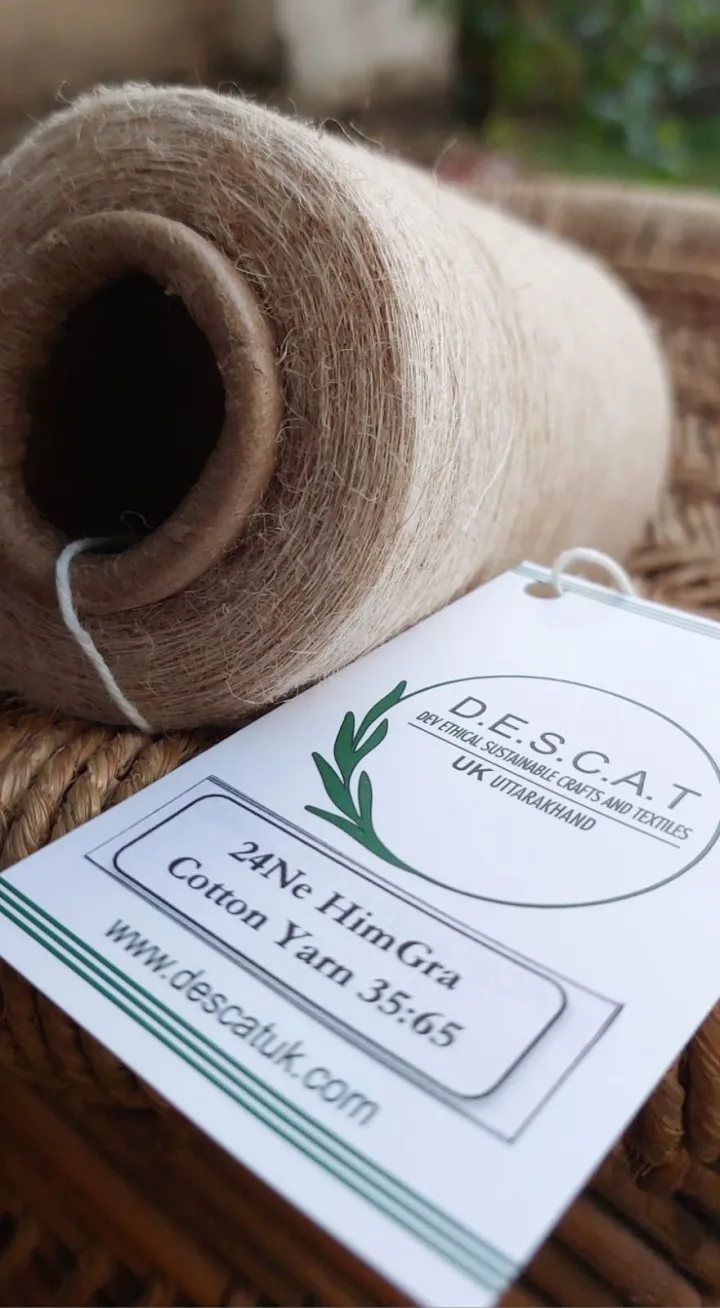
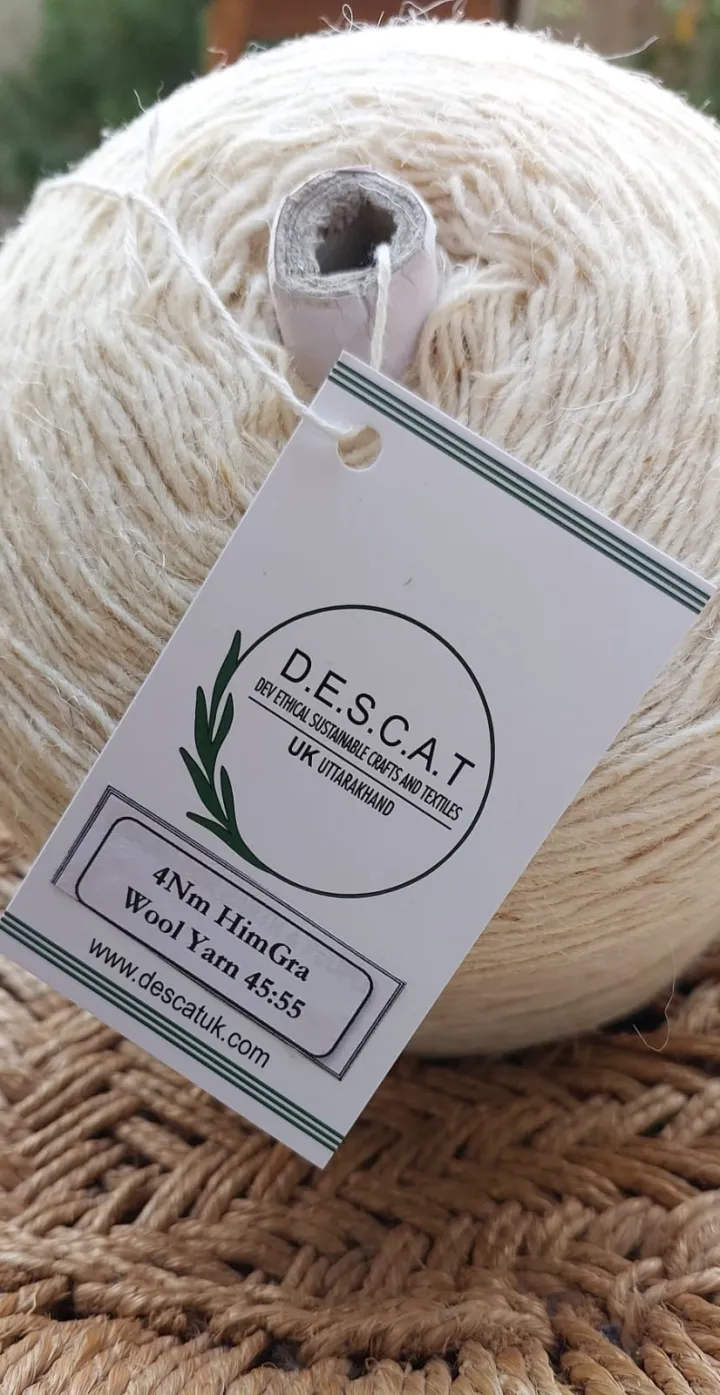
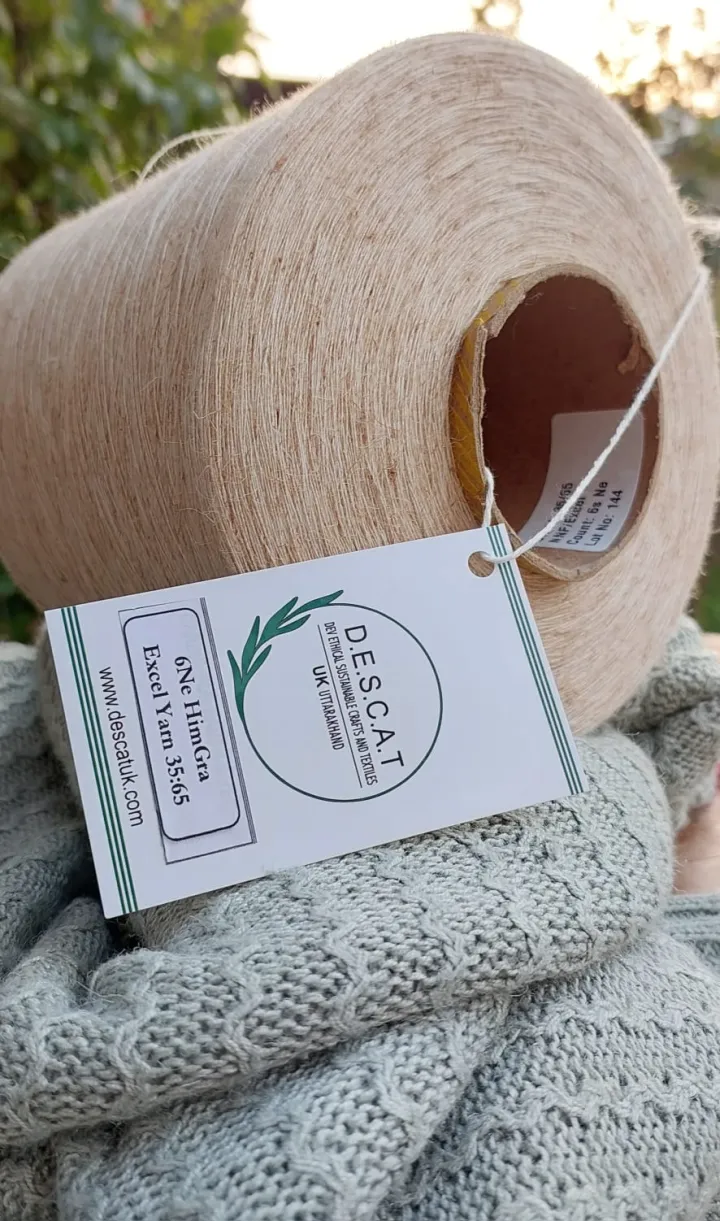
10 Nm HimGra yarn cone 100% HimGra 4 Nm yarn cone 12 Ne HimGra viscose yarn in cream 12 Ne HimGra Liva yarn cone 12 Ne HimGra yarn in pink 12 Ne naturally dyed HimGra yarn in sage HimGra viscose yarn cone 24 Ne HimGra cotton yarn cone 4 Nm HimGra wool yarn cone 6 Ne HimGra Excel yarn cone
HimGra™ Yarn · Development Range
Available Yarn Counts

A development range across cotton, wool, and viscose blends.

All compositions are declared by weight from controlled input ratios and batch records.

30 Ne

HimGra™ Cotton

35% HimGra · 65% Cotton

24 Ne

HimGra™ Cotton

35% HimGra · 65% Cotton

16 Ne

HimGra™ Cotton

35% HimGra · 65% Cotton

12 Ne

HimGra™ Cotton

35% HimGra · 65% Cotton

6 Ne

HimGra™ Cotton

35% HimGra · 65% Cotton

4 Nm

HimGra™ Wool

45% HimGra · 55% Wool

6 Ne

HimGra™ Viscose

35% HimGra · 65% Liva recycled viscose

12 Ne

HimGra™ Viscose

35% HimGra · 65% Liva recycled viscose

Material Disclosure

Fibre-wise Disclosure

Primary

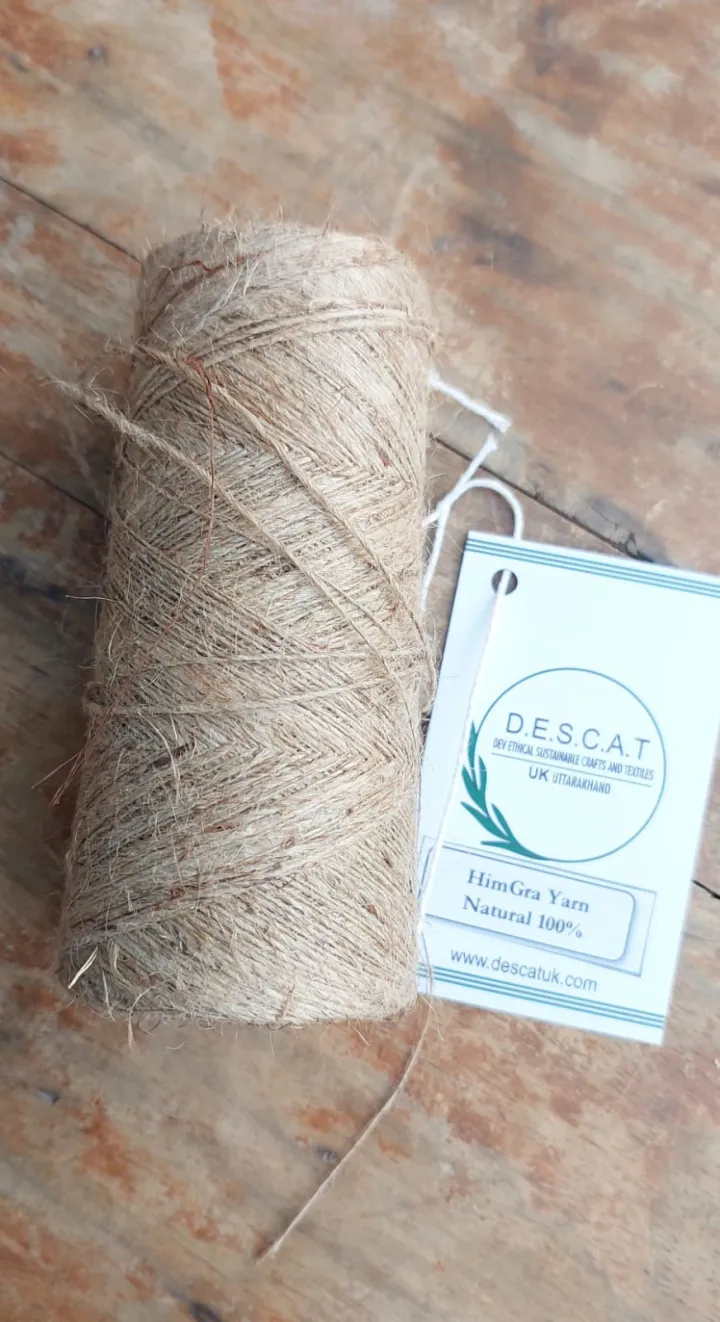
HimGra Fibre

Fibre type
Natural grass-based cellulosic fibre
Origin
Himalayan region, Uttarakhand, India
Sourcing
Rainfed ecosystem, non-plantation sourcing, and no intentional agrochemical inputs
Primary processing
Zero-chemical, waterless fibre extraction
Secondary

Companion Fibres

Cotton · Viscose · Wool

Sourced from approved fibre supply chains in line with applicable textile regulations. Sustainability attributes, where applicable, are maintained at supplier-documentation level.

Composition & Records

Traceability Methodology

How fibre composition is determined

Fibre composition is declared on a weight basis using controlled input ratios, batch-wise yarn production records, and supplier documentation, according to prevailing textile-industry practice for blended yarns.

Technical limitation disclosure: Due to the cellulosic nature of fibres used, laboratory differentiation of individual fibre percentages post-spinning is technically limited under current standard methods.

Controls & Status

Production Overview

Production

  • Spinning system: Conventional short-staple spinning
  • Processing: Standard industry processes for cellulosic yarn
  • Quality control: Batch-level production and documentation controls

Impact & Assessment Status

  • Impact assessment: Available, framework-based
  • Certification: In progress
  • Validation: Ongoing, stage-wise

Documentation & Governance

  • Batch-wise production records maintained
  • Supplier declarations retained at DESCATUK level
  • Information shared with brand partners under appropriate agreements
Independent Recognition

Recognition, Awards & Institutional Validation

Ministry of Textiles, Government of India

Textile Innovation Challenge — Winner.

HKH-ICE Award

Supported by Global Resilience Partnership and anchored by ICIMOD.

Fashion for Good

Material Innovation Engagement through the South Asia Innovation Program 2020.

IIT Mandi Catalyst

Innovation validation and incubation support.

CIPS Innovation Awards — India

Selected in the Rural Development sector on 22 August 2025.

Good Market Approval

DESCATUK has been a Good Market Approved enterprise since November 2020.

Industry Validation

HimGra yarn and fabrics have been piloted and validated at sampling and development stages by 40+ brands across apparel, home, and knit categories.

Choose Your Next Step

Move from material information to evaluation.

Select one request path. Your form will open below without leaving the page.